Counterfeit psychology
Many centers drift between illegality and legality. On the other hand, there are centers that are legal and run by professionals but provide completely unethical therapies
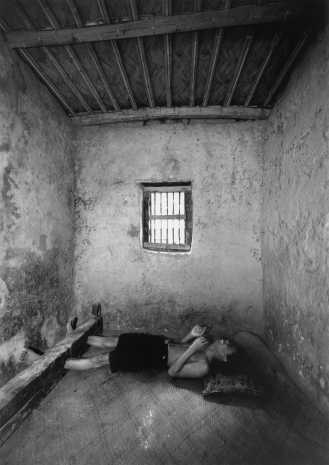 Despite set laws and ethical codes of conduct, Pakistan is one of the many developing countries where no importance is given to proper practice, procedures and regulation of the system, be in the health care, education, business or any other department for that matter. Substance Abuse Treatment and Rehabilitation Centers are no exception to the tradition.
Problems of our fast paced living have significantly increased the number of people suffering from substance abuse. Seizing the opportunity, a myriad of illegal and legal but unethical substance abuse rehabilitation centers have opened up, scratching the line between life and death. Inadequate or no regulation allows untrained and unqualified treatment providers to carry out unethical practices, putting precious lives at jeopardy and sabotaging health and recovery.
Studying Psychology as a major has provided me with the awareness about the importance of ethical guidelines, regulations and procedures of mental healthcare, including therapy, housing and comfort of the clients. Within my research, online and offline, I have come across many such centers all over Pakistan filled with people desperate to get rid of substance abuse but ultimately end up getting even worse environment and treatment.
Many of these centers drift between illegality and legality, some of which are registered with the name of some doctor who is never present at the center at all. Other unlicensed and incompetent people with no formal education in Clinical Psychology, Counseling Psychology or Psychiatry provide twisted therapy to the poor clients trapped there. On the other hand, there are centers that are legal and run by professionals but provide completely unethical therapies and treatment to the clients ignoring all the rules and regulations set up for these organizations and disregarding the human rights sketched up to protect human life.
When it comes to substance abuse treatment and rehabilitation, there are many ethical dilemmas related to personal beliefs, opinions and values. Biases and misperceptions regarding the drug abusers are pretty common. Being labeled as a drug addict is an example of how our society views people who are suffering from substance abuse. Being criticized as sinners and transgressors is another example of how substance abusers are perceived in the light of religion and culture of Pakistan. Consequently, these people have to deal with a lot of negativity and injustice because of the stigma attached to substance abuse.
I had a personal encounter with one such rehabilitation center and took accounts of the place from a friend who was a patient there for substance abuse. In the brief conversation I managed to have with the guy in-charge, I was surprised to see that he had no formal education and training in therapy, clinical psychology or allied fields. He himself is a recovering substance abuse addict who has not yet fully recovered and can get triggers anytime. His previous work experience was in WAPDA. He believed that he is ‘a mistake’ and biologically faulty, yet he thinks he can provide others support with that thinking. I feel it’s morally wrong to tell anyone they are a mistake or flawed human beings. The environment these clients/patients are kept in is even more heinous; there are no suitable bedrooms, fans, water, and other facilities. Without paying proper attention to the comfort of the patients, it’s not possible to assure them that you are their benefactor and that you want to provide help and support to them in taking charge of their lives and recovering from substance abuse.
As far as treatment is concerned, there are ethical guidelines set up by the APA to be followed while administering therapy to anyone facing any sort of mental or emotional problem. Many therapies and theories are laid out for a wide range of problems, from substance abuse to depression, etc. None of them include burying the client under the guilt of his substance abuse problem as part of the treatment plan. At many such centers, patients are told how they are destined for hell, how they have committed a major sin and how they are mistaken and flawed human beings. When I heard these words coming from the mouth of who was supposed to be a professional therapist, I was flaming, furious on how someone can say that to someone else who is suffering really bad for something he also knows is wrong, or will figure out is wrong. Under no circumstances can anyone assume the right to engulf anyone in guilt, blame and shame for mental or physical health problems. With such guilt and regret no one can move on to a better, healthier life. It holds people in the past and keeps them trapped in their misery. That’s precisely why positive and humanistic therapies and ways were developed to effectively help people get over their problems without going against all ethical and moral guidelines.
There are plenty of instances of people committing suicide and fleeing from many centers, because of these unethical, not to mention unhygienic conditions. People have escaped even from this rehab center I mentioned earlier, and the friend who was there had also had suicidal thoughts and was close to it, but never went through with it. It’s scary to know that some people can push other people towards such actions in places that are supposed to safeguard these very people and help them regain health. What is worse, there is nowhere to complain about these places; no one cares, no law and order is followed against them. Just like other institutions, people working in and for mental health continue to be neglected by the authorities.
To sum up, with little focus on the quality of treatment provided at these treatment and rehab centers, totally overlooking what is promised and what is delivered, it would not be far from truth to say that Pakistan is losing the battle against addiction. To counter this, Government authorities need to take necessary steps to regulate and govern the substance abuse treatment and rehabilitation facilities in the country. It’s time for them to redefine their priorities and responsibilities to make sure they are working for the best interest of the underprivileged members of the society. Until then, I can only hope that people avoid such rehab centers, and seek help from the ones that follow all the rules and regulations set up for the protection and welfare of the patients.
[Due credit to my friend “Rida Zehra” for helping me with this article.]
 |
Shehryar Alam Khan is a student of psychology, a blogger and an activist for animal, children, women and human rights. He also occasionally comments on politics, religion and other relevant events and topics. He tweets @Papichooolo. Email: |